A Different Approach to Establishing Shots
In a film mostly told through flashbacks and scattered memories, how does one tie a thread between each narrative? With scenes constantly changing and the story running non-chronologically, the films runs the risk of losing its perspective. Without the cohesion of sequential plot points, how can visual strategy lead the narrative? This was the question I faced recently on Jamie Burrough’s short film “Valediction,” a fractured story following a young woman through her memories of formative events in her life. I needed to execute a visual strategy that held the narrative together via consistent visual cues.
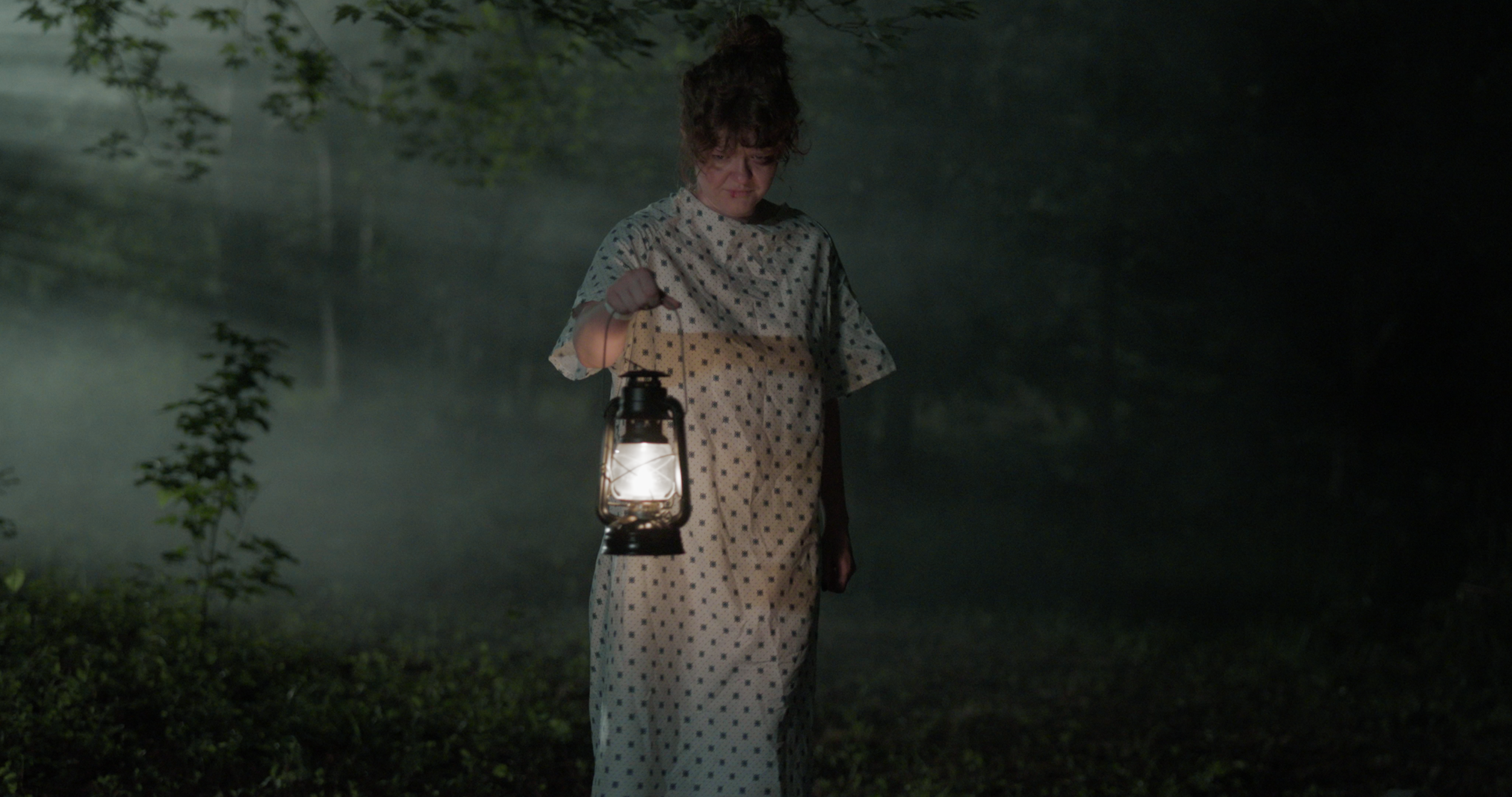
Prep for this film compelled me to think abstractly about my memories and dreams. Though most details in memories become blurred into one overall picture, I find myself often vividly remembering a single object. These objects can be insignificant or fleeting, but for some reason my brain holds onto them. I’d like to think it’s because that moment succinctly defines the rest of the memory, but the answer is likely not so convenient. However, this reflection gave me an idea.
What if the establishing shots of each memory scene weren’t sprawling wides of a house or groups of people - shots that more or less ‘summarize’ what’s going on in the scene - rather we use a short moment with an object to introduce us to the space and atmosphere. These inserts give a more focused perspective of the scene, one that is highly controlled to the cinematographer’s wishes. I won’t claim this is a novel technique or even incredibly creative, as notable DPs such as Matthew Libatique and Robert Elswitt(to name a few) have used this method for decades to their own effect. However, coming to this technique through my own process of prep was a unique step in my journey as a cinematographer. It allowed me, on a small scale, to toy with cinematography’s conventions and see how they can transform a narrative.
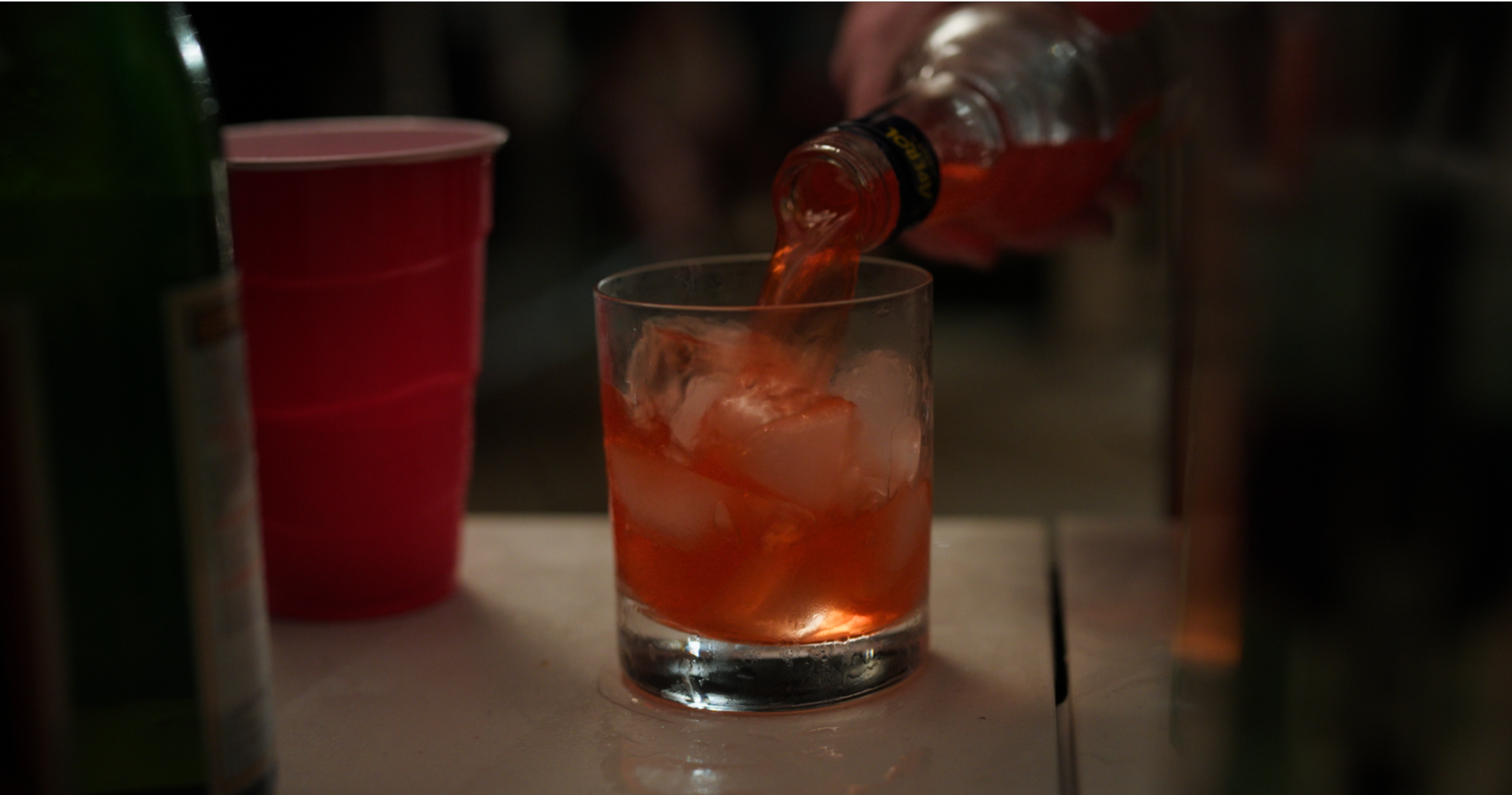
These moments became my most exciting contribution to the film, and I used them as motifs for certain events in the scenes. For example, in a party scene leading up to a violent encounter with the protagonist, the establishing shot(left), shows a man sloppily pouring red liquid into a glass of ice. The red liquor overpowers the color of the white ice, representing a loss of innocence or shedding of blood. Cups and bottles positioned around it suggest a tight setting full of complacent witnesses. Through the following tracking shot of the man toting the glass through a crowd, we are introduced to the attacker and his intentions before even seeing the protagonist.
I feel strongly that the first shot of a scene needs to convey as much contextual information as possible. With attentions spans only guaranteed for a few seconds, that first shot needs to speak on many levels. A quick glance needs to hint at the complexity of meaning that a more attentive look at the shot would provide. Considering how painting masters made complex arguments about their time period through a single still frame, how much more information can we deliver in a moving image with all the centuries of visual experimentation to build off of?
Across half a dozen of these flashbacks I repeated this technique in a similar fashion. A ring on a table adds weight to the impending breakup, an empty swing hints at the loneliness of the little girl in the scene to follow, and a the foot of a victim bookends the violent encounter she has.
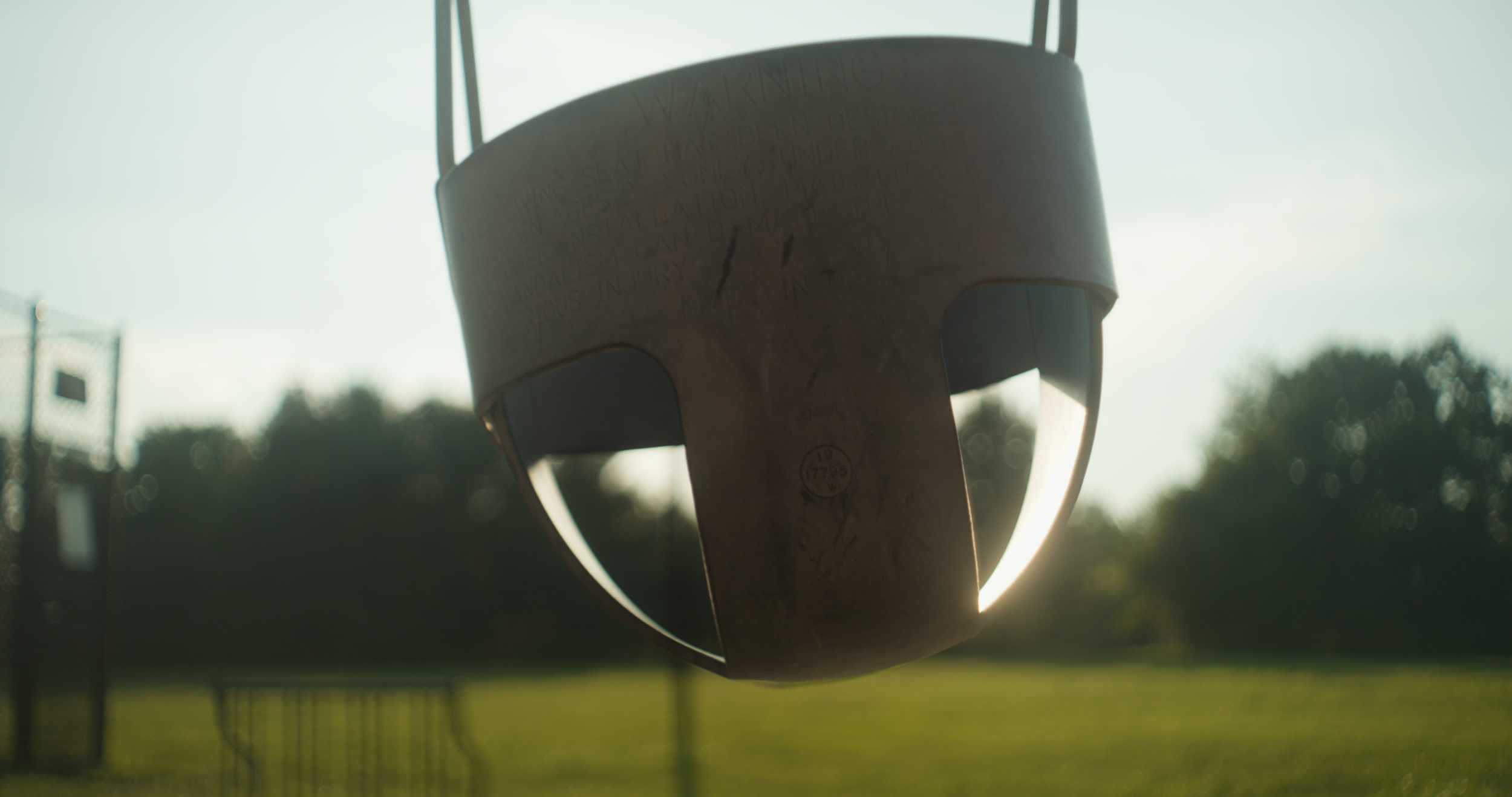
An empty swing quietly sways in the wind.
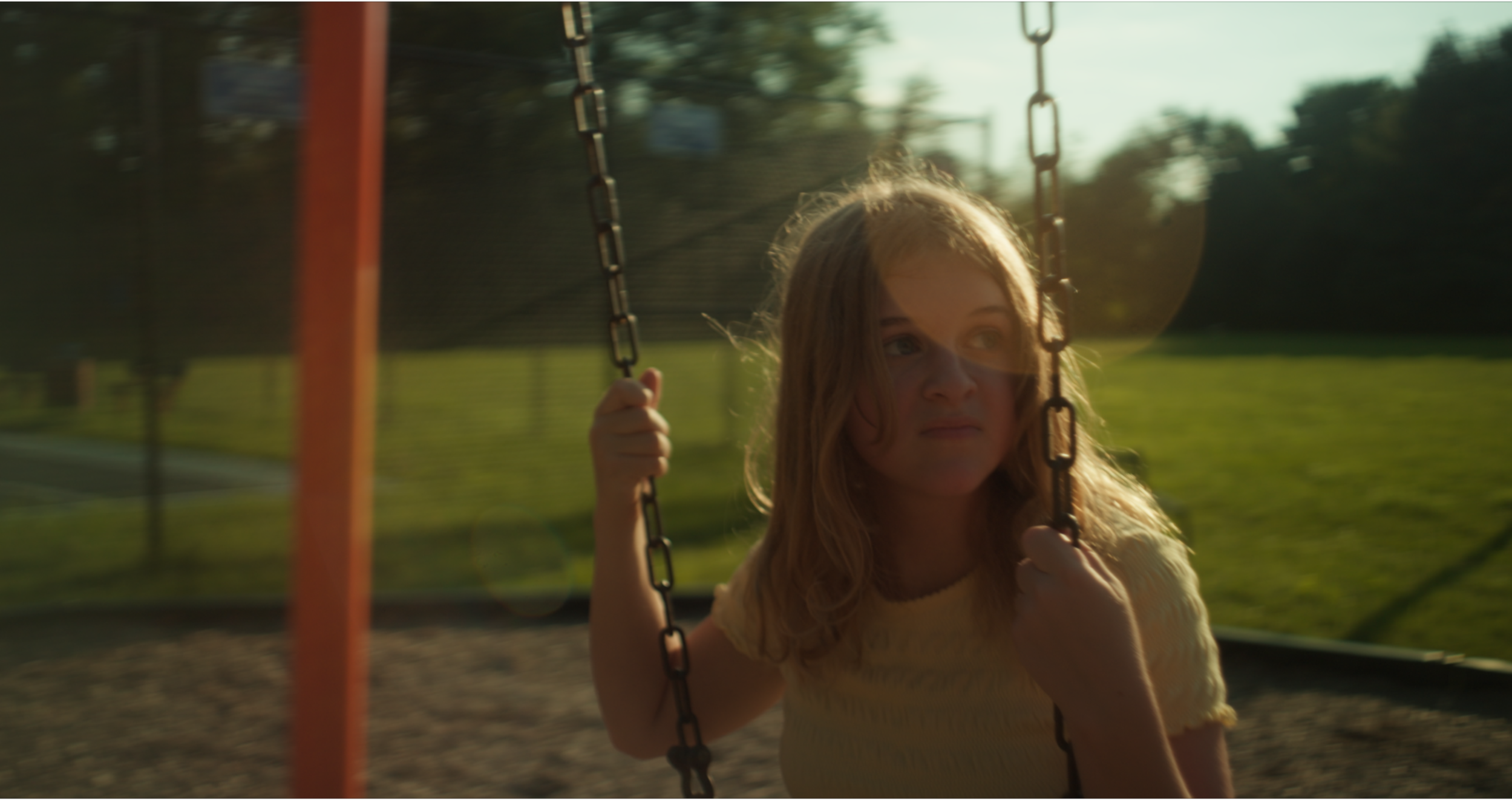
A lonely young Renee musters the courage to ask to play with the other girls.
I also found that this technique adds a distinct perspective to the scenes. It feels intensely subjective because the camera is so deliberately showing details. We feel the perspective of the protagonist as she looks back at her memories. The camera making such decisions in the narrative requires the cinematographer to be accountable for how they manipulate the storytelling. Too blatant and you run the risk of creating something plastic, too vague and the work becomes soulless. My goal is to find the balance by creating images packed with meaning that feel intentional but not forced.
