My First Experience on 35mm
Following a Syracuse lecture in the Fall of 2023 about Caravaggio’s process of depicting qualities of light that didn’t exist naturally, my interest in the intersection between classical painting and cinematography was peaked. In the Spring of 2024 I was able to spend the semester studying at FAMU, Europe’s oldest film school. Part of FAMU’s curriculum is that requires all projects to be shot on film without exception. I was ecstatic to get this rare opportunity, but aware that it would require re-learning the basics of exposure and on-set workflow.
Within my group of 3 other peers I was chosen as the DP. Writer Leyla Mandel wrote a beautiful story about a young girl finding escape in the paintings in her home. A film about paintings fit naturally into the aesthetic I was brewing: heavily inspired by classical paintings and romanticism. It juggled themes of pain, isolation, religion, and innocence, earning its name Den Hnevu (Day of Wrath). From the start, co-directors Thomas Grahling and Melissa Romberg wanted the film’s visuals to be highly symbolic, mirroring the style of the paintings seen in the actual film.
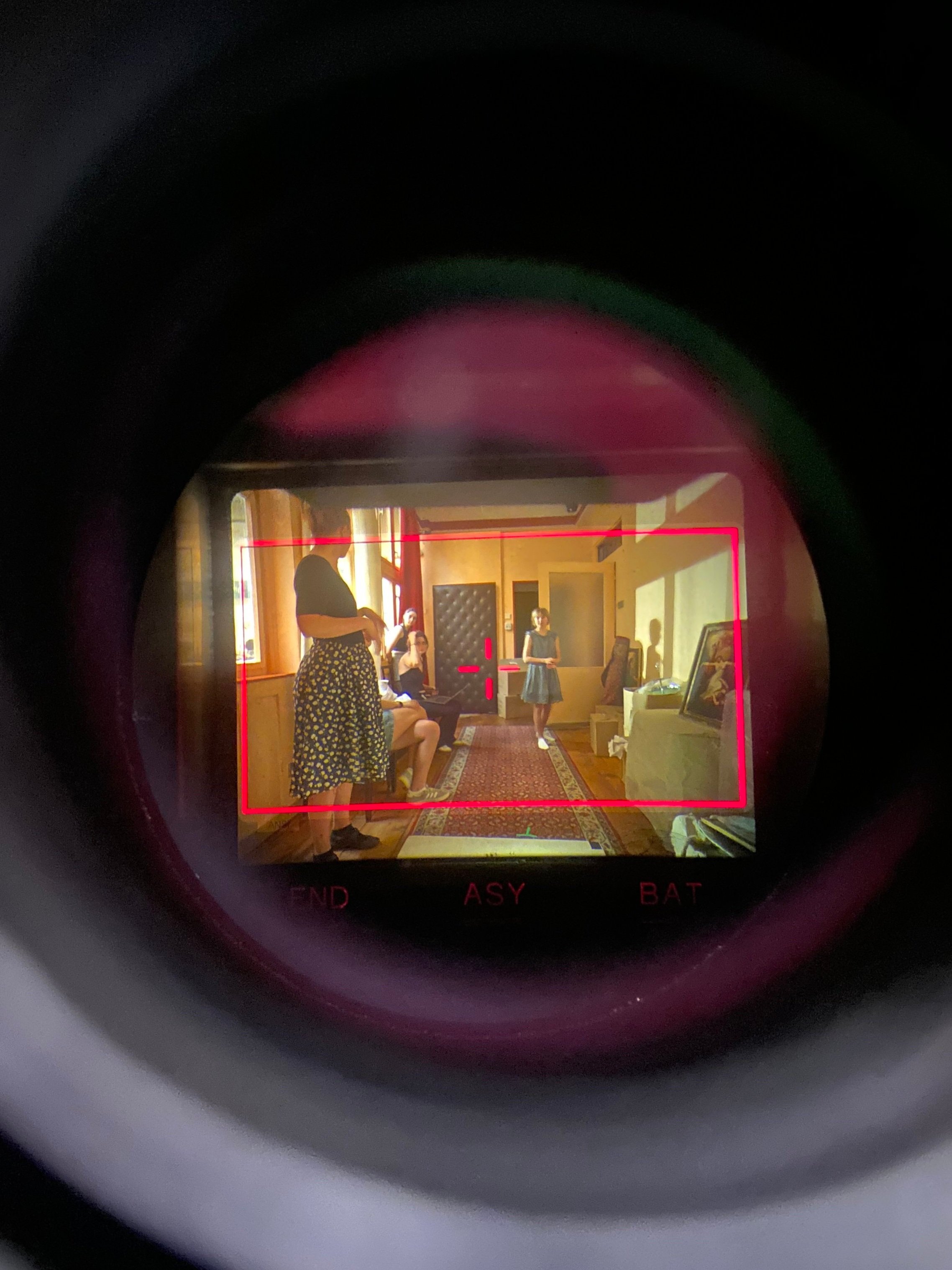
The process of learning to shoot on 35mm was difficult but enlightening. We learned to use ASA and an analog meter, going in depth on the zone system and limits of 35mm sensitivity. When shooting on film there is little room for error, requiring a precision and degree of planning that I had never experienced. However, this precision provided the opportunity to be delicate with lighting and blocking, almost as a painter would compose their frame with absolute intention. When the only monitor is a small, blurry, orange image at the end of a viewfinder(as seen on the right), one must be confident that their cinematic decisions will appear as they are intended.
As my time in Prague progressed, I became fascinated with the classical art exhibitions throughout the city. Czech painter Petr Brandl stood out to me for his deep shadows, soft blues, and golden highlights. I began looking for other painters who’s work might inform techniques I could use in shooting the film.
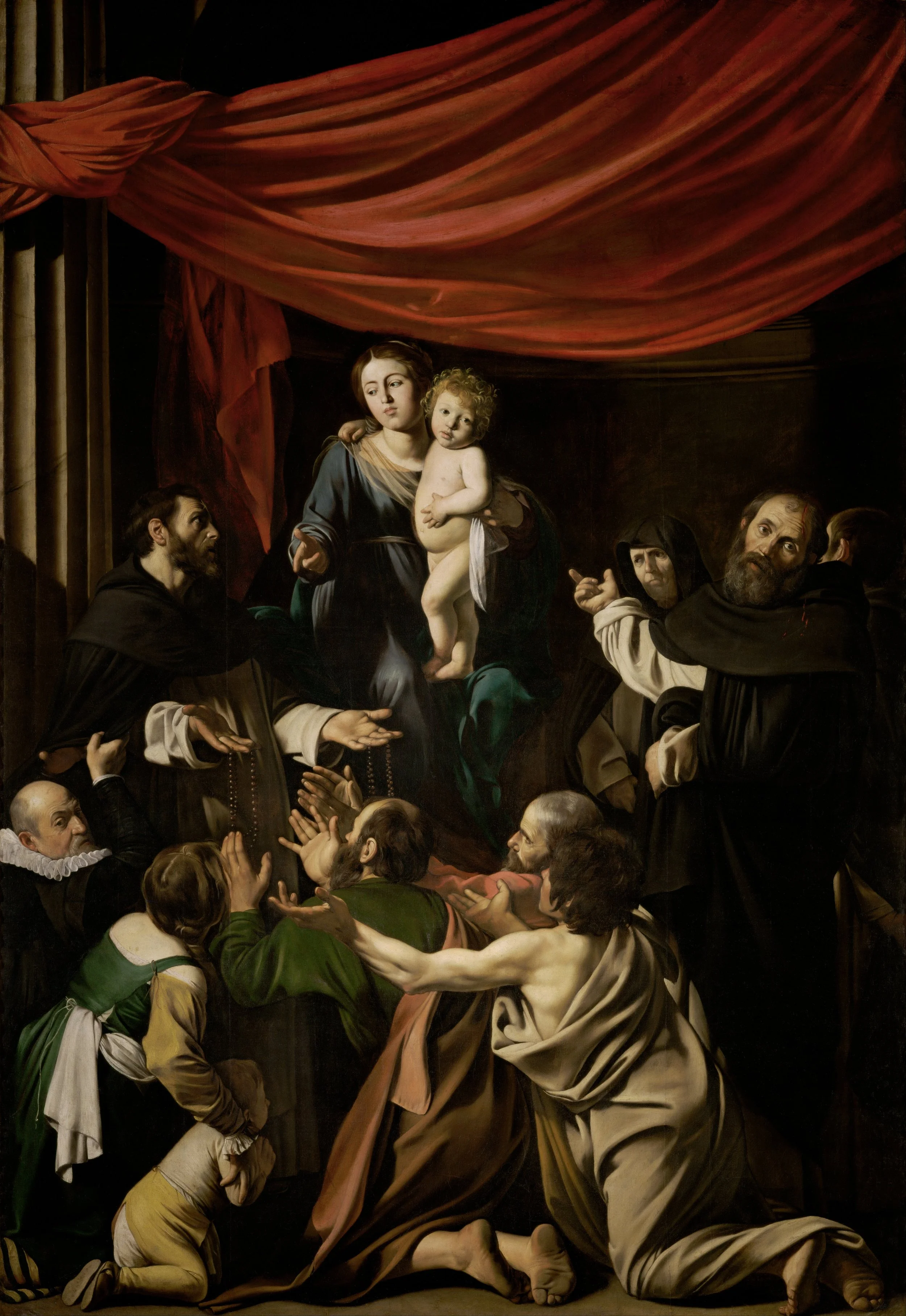
Madonna of the Rosary - Caravaggio (1607)
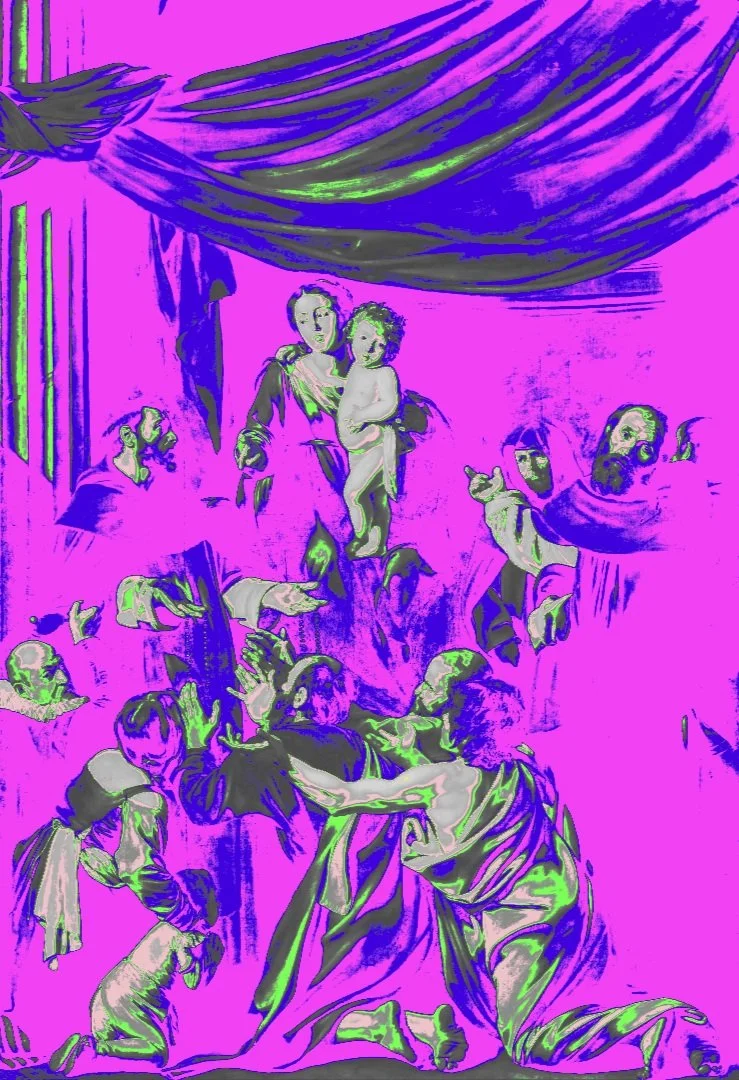
With False Color
Caravaggio was known for his sharp juxtaposition of light and dark tones. When examined in false color, the lighting ratios used are strikingly similar to those used in modern cinematography. His contrast ratios are often in perfect increments of stops. The key light is exactly at middle grey, with the fill one or two stops below. He painted these qualities without any measurement tools or consistent qualities of light throughout the day, requiring a complex understanding and memory of the light he wanted to incorporate. Needless to say, he was a master in using light to create drama.
Another technique used by Caravaggio arranging the characters according to religious importance. In Madonna of the Rosary, the characters are arranged on tiers in the frame based on their holiness and/or proximity to God. At the base are common people, stooped on their knees, their heads in the bottom third of the composition. Above that are priests and religious leaders, heads about halfway up the frame. Above them sits the mother Mary and baby Jesus, alone at the top of the frame. A keen eye will notice the draping red clothe over their heads as well. This is meant to symbolize God himself - the most holy and thus highest in the composition. I wanted to use this idea of the red drape representing God in Den Hnevu’s visual design. In the climax of the film, when the character is, you might say, closest to God or reaching an enlightened state, she wraps herself in a red drape.

Ophelia - John Everett Millais (1852)
Still frame from Den Hnevu
Another painting I took visual inspiration from was Ophelia. Leyla often compared the film’s ending to Ophelia, except instead of outright suicide (as depicted in Ophelia) our character undergoes an emotional suicide - leaving behind her suffering and entering an unknown world. To incorporate Ophelia’s themes into the film, I decided to use color symbolically in a similar way to Ophelia. The painting has groups of white flowers, most likely crow flowers or buttercups, that symbolize childishness and possibly pain as well. The daisies floating all around her in batches of red, yellow, blue, and purple represent innocence. In the final frame of Den Hnevu, I surrounded the character with the childish white while incorporating hints of purple, yellow, and pink. These colors create a sense of something new and exciting while acknowledging the remnants of pain in her past life.

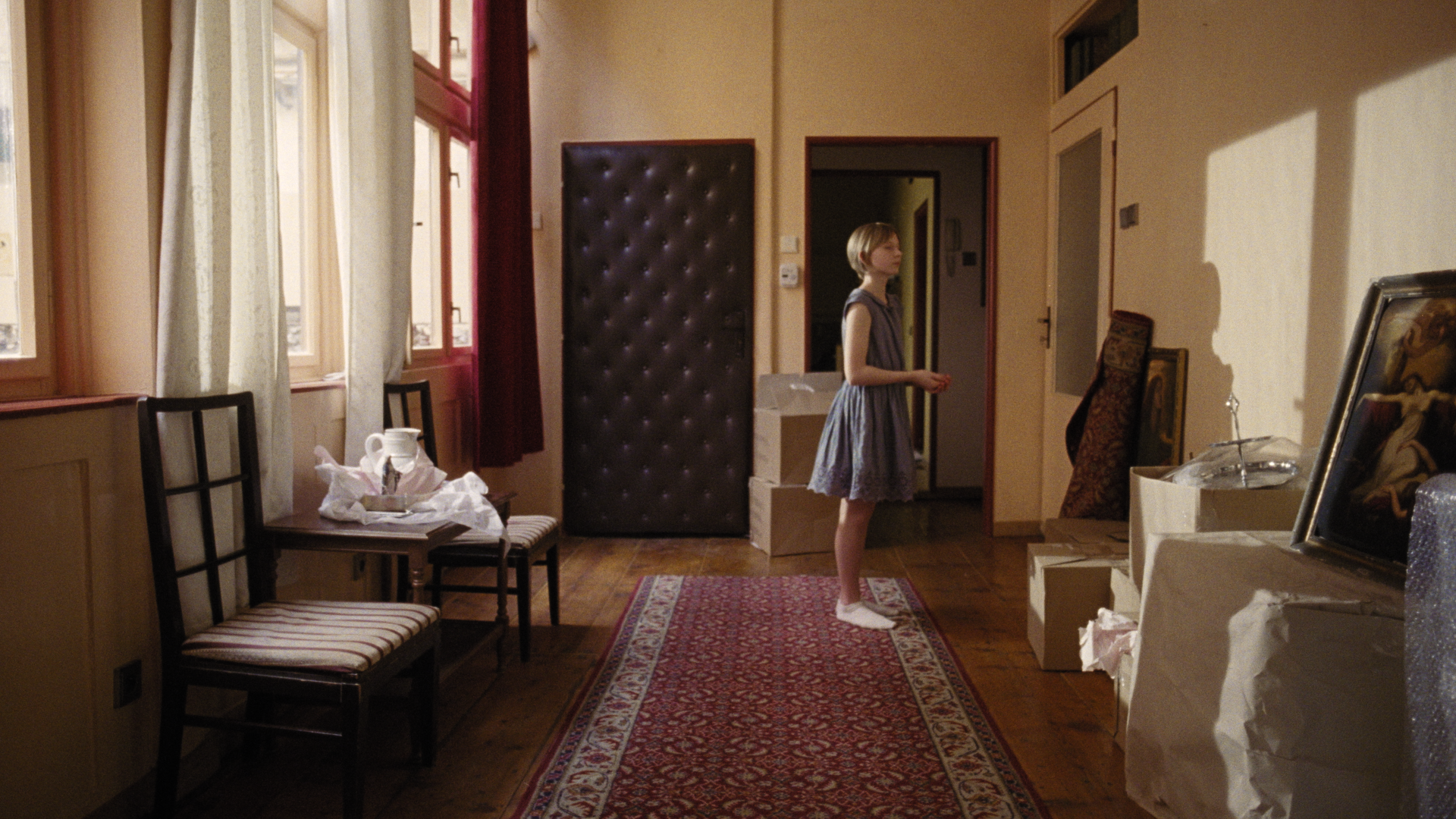
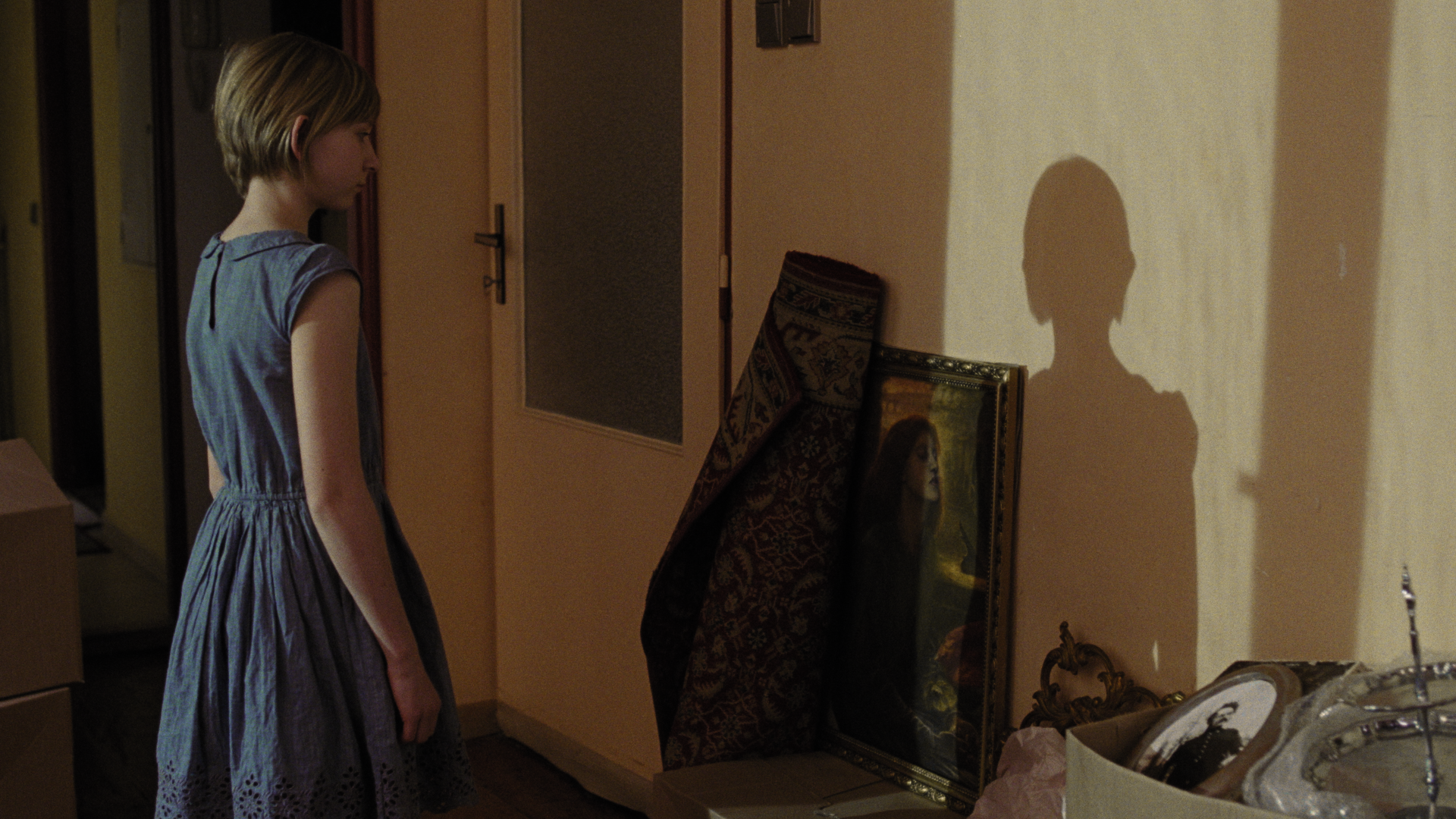
This process opened my eyes to the wealth of knowledge there was to be learned from studying the great image-makers of the past. Techniques we find novel in cinematography have been employed for hundreds if not thousands of years by the most brilliant painters and craftsmen humanity has produced. I now enjoy studying works of art, drawing on their techniques in composition, color, and lighting for my own work. Instead of re-inventing the wheel, sticking to what’s been proven to work (by people much more clever than myself) can enrich images with detail and subtext.
↓Watch the Film ↓
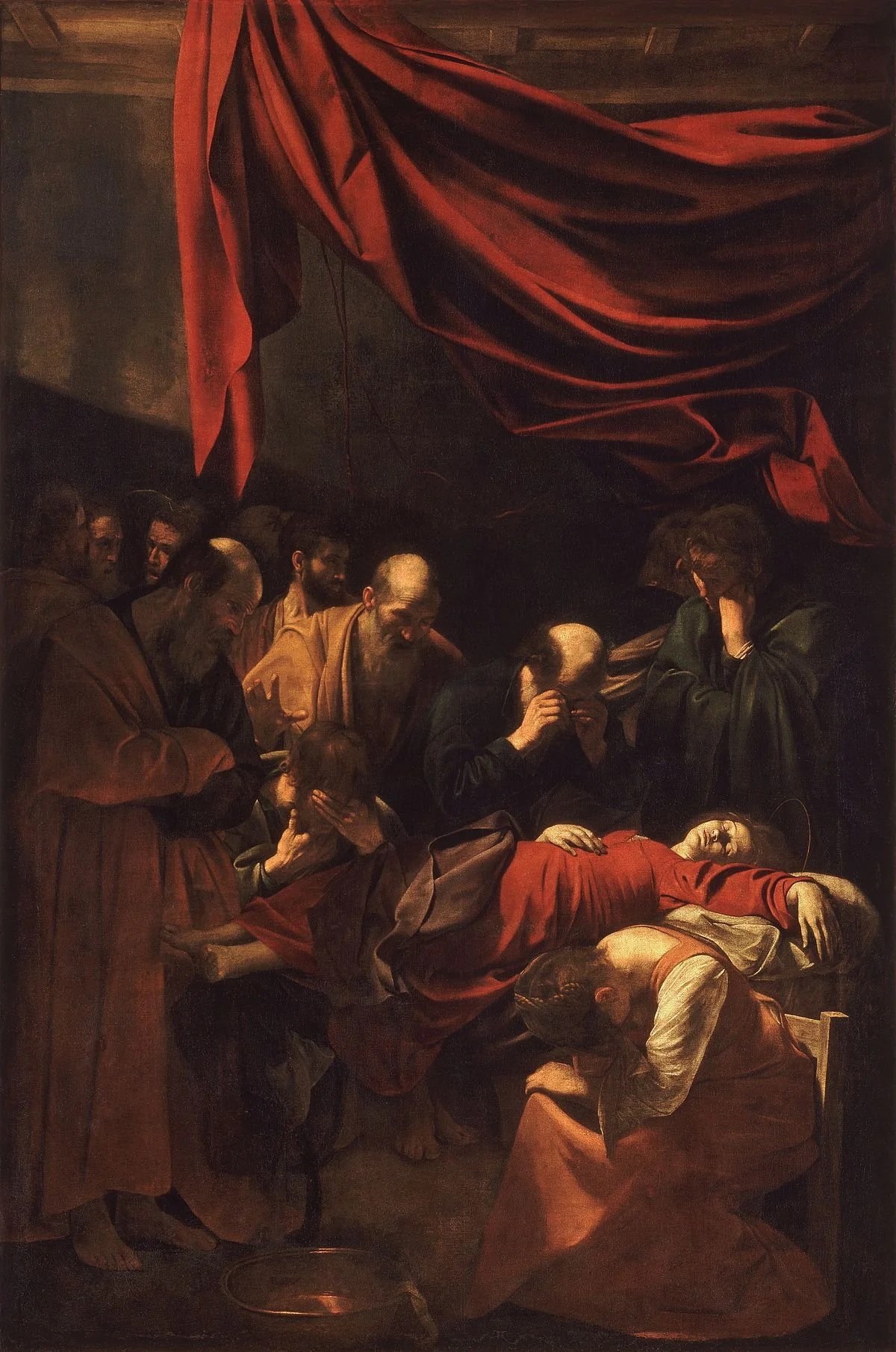
Death of the Virgin - Caravaggio (1606)
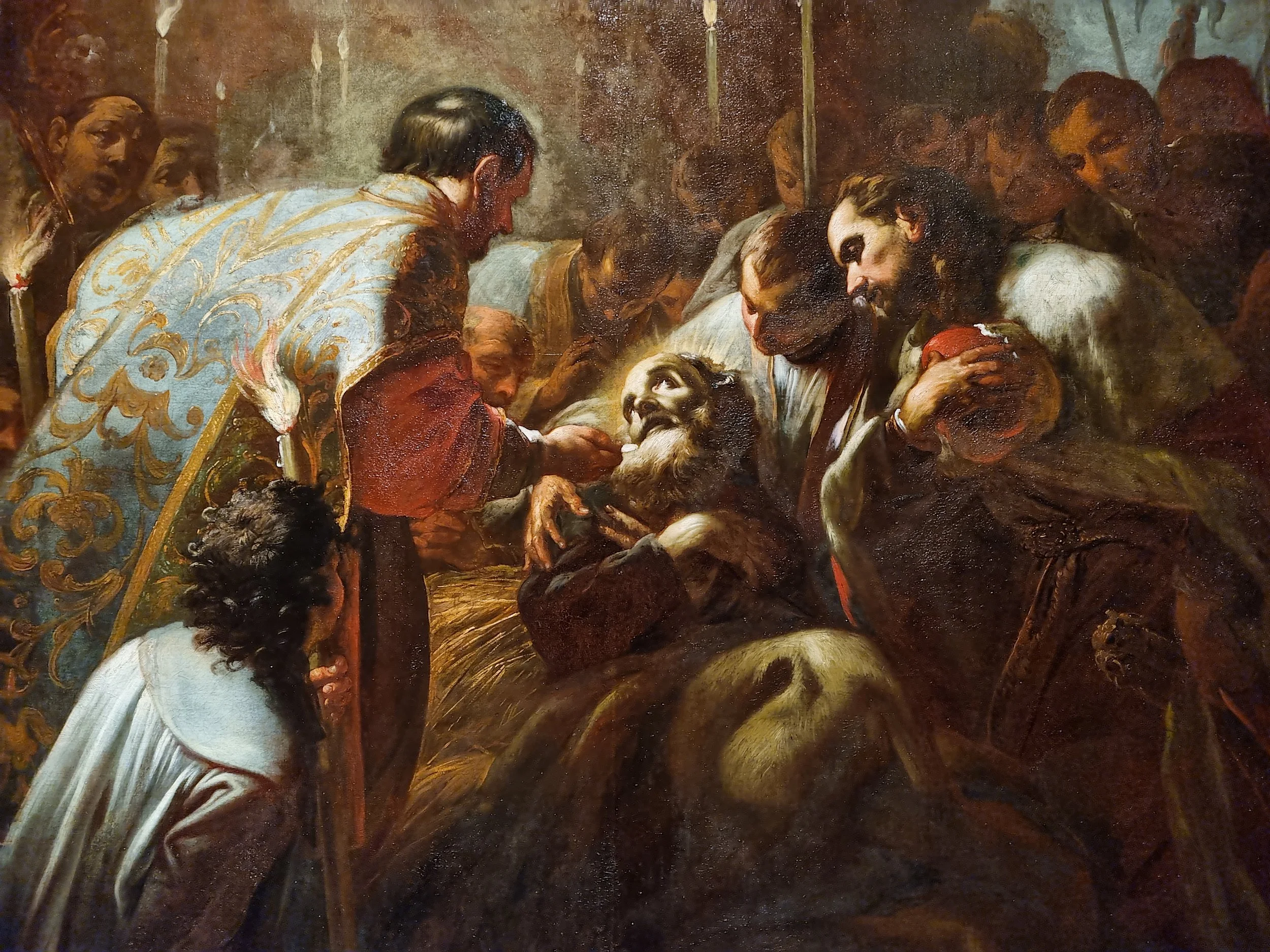
Death of the Hermit Gunther of Bohemia - Petr Brandl (1719)
